Move abroad
Move abroad
Why Not? What Moving Abroad to Study Taught Me About Life and Career
Why Not? What Moving Abroad to Study Taught Me About Life and Career

Federica Russo
When I told people I was moving from Italy to Kuala Lumpur, the question was always the same:
“Why Malaysia?”
My answer was simple: why not?
It was a warm spring day. I was at home, sorting through old objects, when I found a globe — one of those old-fashioned ones with a light inside. I had received it as a Christmas present when I was seven years old. As a child, I used to fall asleep looking at it. It was my night light, my quiet companion, and my window to the world.
That day in April, I allowed myself to do the same thing I had done as a child: I turned it on and looked at it.
My eyes drifted toward Southeast Asia. I stopped at Malaysia. And in that moment, without knowing anyone there and without really knowing the country, I decided: I’m going to move there.
What followed was not romantic at all — it was practical, messy, and exhausting.
I started calling universities. I studied rankings. I compared programs in detail. I asked endless questions to admissions counselors — not afraid of sounding persistent. Once I chose the university, I started the same process for housing, calling dozens of agencies to find an apartment.
But COVID hit.
Everything was uncertain. International students would only be allowed to enter Malaysia if case numbers stayed under control. For months, every plan came with a question mark. I organized, waited, hoped — knowing that everything could collapse at the last moment if the visa didn’t come through.
The approval arrived five days before my flight.
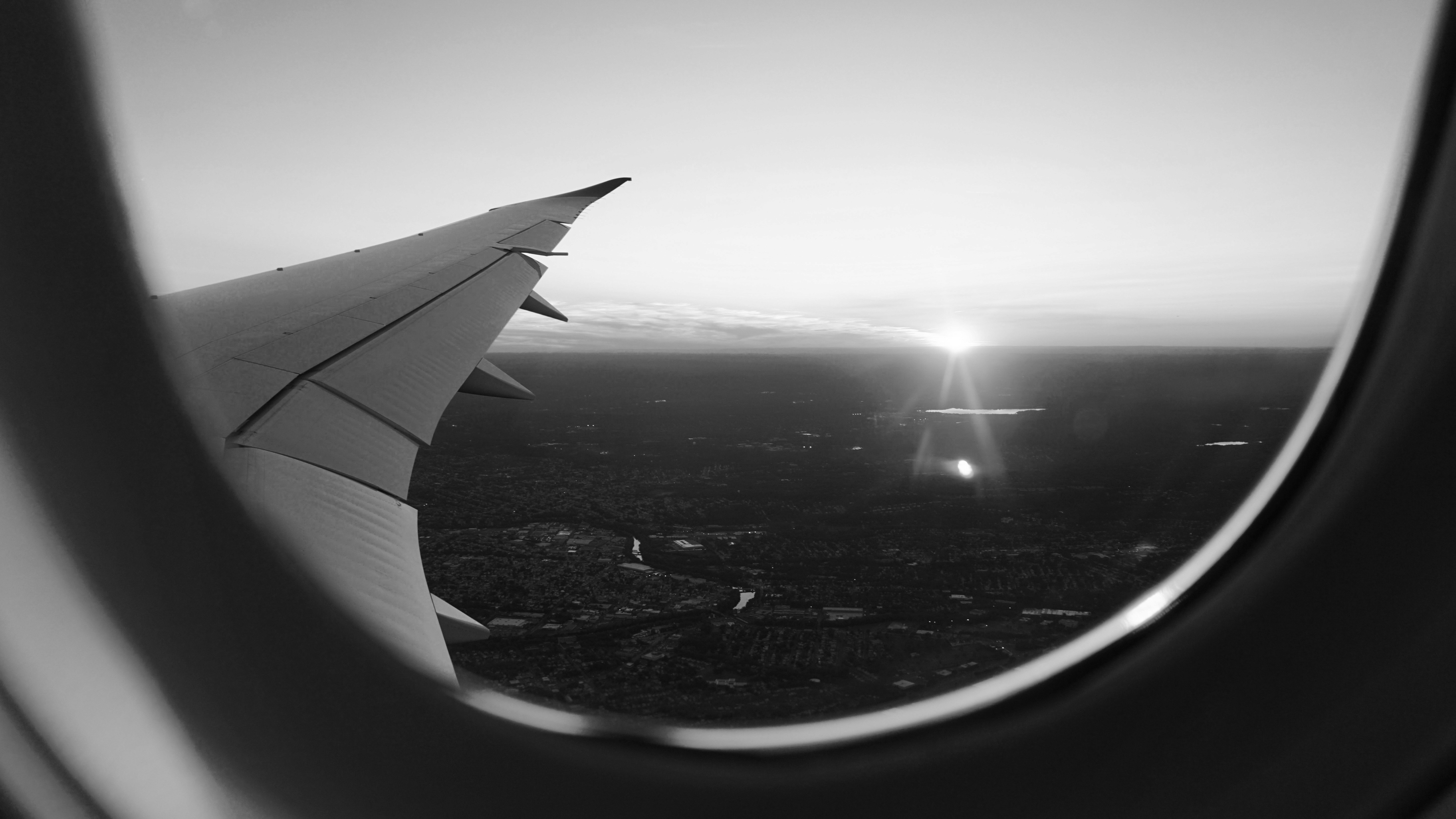
In five days, I packed my entire life into an 8 kg carry-on and a 23 kg suitcase and moved to
the other side of the world.
I would do it again. Every time.When I arrived, I spent 15 days in quarantine, as required. And when I finally stood at the door of the hotel, ready to step out, one thought crossed my mind:
“And now?”
I hadn’t even told the university that I had arrived. When I finally contacted them, they asked for an emergency contact in Malaysia. I didn’t have one. I asked for the phone number of a woman working in one of the offices — and that was enough.
That’s where my life there started.
In a matter of days, I adjusted to a new climate, a new culture, and a new lifestyle — one I unexpectedly loved. I made friends. I listened to stories. I learned — from books, but even more from people.
When you move to a foreign country, no matter how different it is from where you come from, stay open to what life brings. If you move abroad to study or to start your career, you are not just changing geography — you are building a new version of yourself. One that can step outside comfort zones and do what many are afraid to try.
That is not normal.
That is a lot.
At the time, I thought I was just doing what I had to do. Only later did I realize how much growth was happening.
Here are a few practical things that helped me connect and build a life from scratch:
During classes, I was often the only student from a Western country. I raised my hand, participated actively, and messaged classmates privately to form study groups.
Professors were incredibly open. I asked for one-to-one meetings to go deeper into topics — and used those moments to genuinely get to know them.
I never positioned myself as superior or judgmental. I was simply curious about
people’s stories.
In the city, I chose a few “anchor places” — cafés, bookstores, parks — where I went
regularly. Over time, familiar faces turned into friendships.
In my building, I shared food with the security guards whenever I had extra. In a
culture rooted in gratitude and respect, those small gestures created trust, care, and support when I needed it most.
Slowly, Kuala Lumpur became home.
A warm place where I grew — professionally and personally. A place that reminded me that you don’t need to have everything figured out to begin. You just need openness, respect, and the courage to take the first step.
If you are open to life, it will surprise you.
When I told people I was moving from Italy to Kuala Lumpur, the question was always the same:
“Why Malaysia?”
My answer was simple: why not?
It was a warm spring day. I was at home, sorting through old objects, when I found a globe — one of those old-fashioned ones with a light inside. I had received it as a Christmas present when I was seven years old. As a child, I used to fall asleep looking at it. It was my night light, my quiet companion, and my window to the world.
That day in April, I allowed myself to do the same thing I had done as a child: I turned it on and looked at it.
My eyes drifted toward Southeast Asia. I stopped at Malaysia. And in that moment, without knowing anyone there and without really knowing the country, I decided: I’m going to move there.
What followed was not romantic at all — it was practical, messy, and exhausting.
I started calling universities. I studied rankings. I compared programs in detail. I asked endless questions to admissions counselors — not afraid of sounding persistent. Once I chose the university, I started the same process for housing, calling dozens of agencies to find an apartment.
But COVID hit.
Everything was uncertain. International students would only be allowed to enter Malaysia if case numbers stayed under control. For months, every plan came with a question mark. I organized, waited, hoped — knowing that everything could collapse at the last moment if the visa didn’t come through.
The approval arrived five days before my flight.
In five days, I packed my entire life into an 8 kg carry-on and a 23 kg suitcase and moved to
the other side of the world.
I would do it again. Every time.When I arrived, I spent 15 days in quarantine, as required. And when I finally stood at the door of the hotel, ready to step out, one thought crossed my mind:
“And now?”
I hadn’t even told the university that I had arrived. When I finally contacted them, they asked for an emergency contact in Malaysia. I didn’t have one. I asked for the phone number of a woman working in one of the offices — and that was enough.
That’s where my life there started.
In a matter of days, I adjusted to a new climate, a new culture, and a new lifestyle — one I unexpectedly loved. I made friends. I listened to stories. I learned — from books, but even more from people.
When you move to a foreign country, no matter how different it is from where you come from, stay open to what life brings. If you move abroad to study or to start your career, you are not just changing geography — you are building a new version of yourself. One that can step outside comfort zones and do what many are afraid to try.
That is not normal.
That is a lot.
At the time, I thought I was just doing what I had to do. Only later did I realize how much growth was happening.
Here are a few practical things that helped me connect and build a life from scratch:
During classes, I was often the only student from a Western country. I raised my hand, participated actively, and messaged classmates privately to form study groups.
Professors were incredibly open. I asked for one-to-one meetings to go deeper into topics — and used those moments to genuinely get to know them.
I never positioned myself as superior or judgmental. I was simply curious about
people’s stories.
In the city, I chose a few “anchor places” — cafés, bookstores, parks — where I went
regularly. Over time, familiar faces turned into friendships.
In my building, I shared food with the security guards whenever I had extra. In a
culture rooted in gratitude and respect, those small gestures created trust, care, and support when I needed it most.
Slowly, Kuala Lumpur became home.
A warm place where I grew — professionally and personally. A place that reminded me that you don’t need to have everything figured out to begin. You just need openness, respect, and the courage to take the first step.
If you are open to life, it will surprise you.